


Angular, geometric shapes, hard edges, and monolithic constructions. You are either in a Lego set or looking at an example of brutalist architecture. It’s a devise style, with some seeing it as the pinnacle of function over form, while others just think of endless, soulless commie blocks, with rotting, exposed concrete.
To convert those with less positive impressions of brutalism and showcase the best of this design, the Instagram account brutbuilds gathers some of the best examples. So scroll down, upvote your favorites, and be sure to comment on the designs that surprised you. If you want to see some other examples of brutalist design, Bored Panda has you covered, so check out our other article here.
Click here & follow us for more lists, facts, and stories.
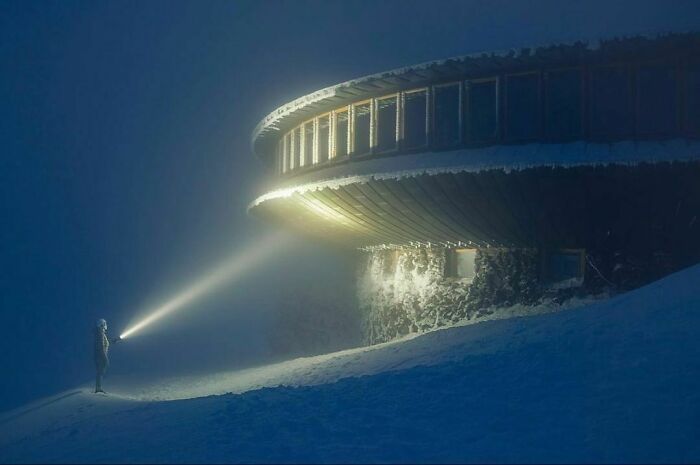
#1 High Altitude Meteorological Observatory. . . Border Poland / Czech Republic
© Photo: brutbuilds
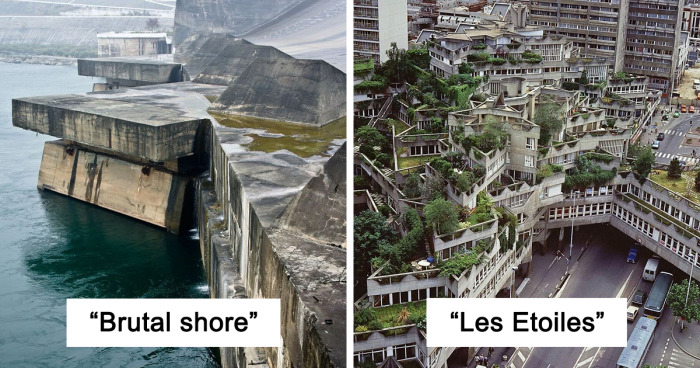
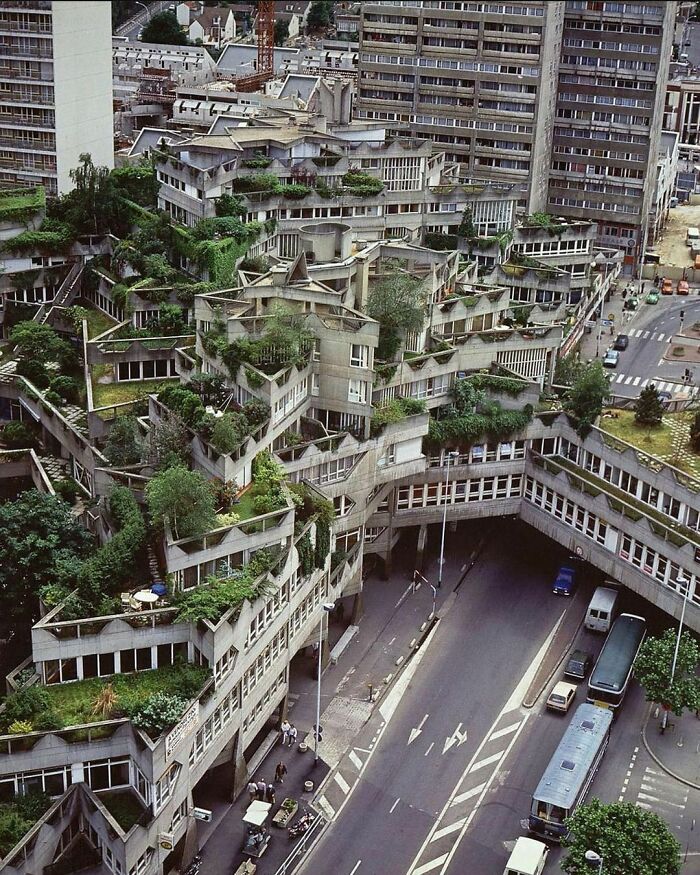
#2 Les Etoiles
© Photo: brutbuilds
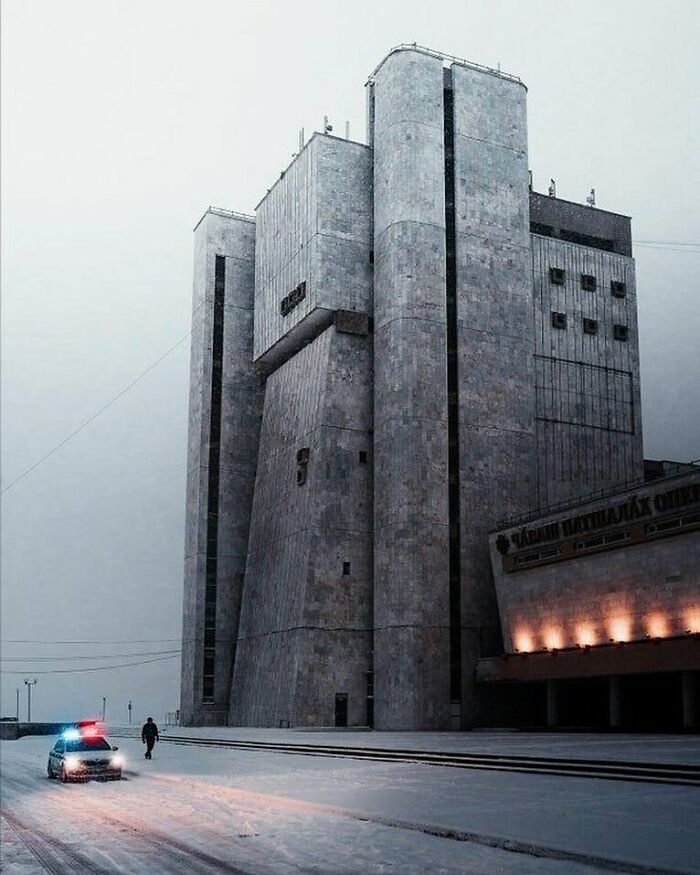
#3 Chuvash State Opera And Ballet Theater, 1985, Russia
© Photo: brutbuilds
Brutalism owes its popularity to Swedish architects and designers Bengt Edman and Lennart Holm. They created a house with exposed beams, exposed bricks, and hard angles. Another Swedish architect, Hans Asplund described it vividly in an article in the 1960s, which garnered a lot of attention. From there, it spread to Britain, the United States, France, and even India. In French, the style is sometimes referred to as ‘béton-brut,’ or ‘raw concrete.’
Careful readers may have noticed that brutalist design and architecture are used here somewhat interchangeably. While the most notable examples are buildings, often made of exposed brick and concrete, brutalism can also be seen as a general philosophy. The goal is function, first and foremost, and with that comes what some designers would describe as honesty.
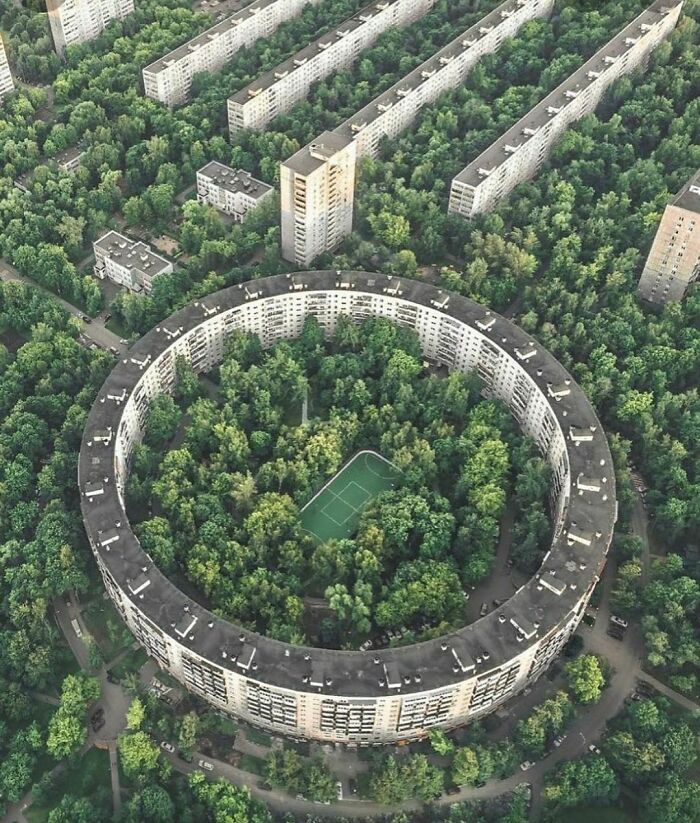
#4 Round House
© Photo: brutbuilds
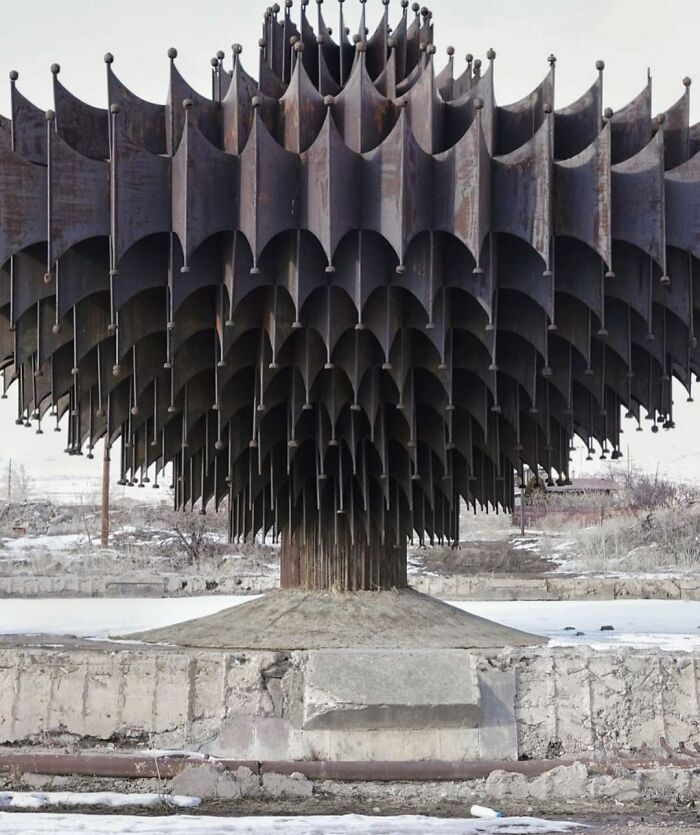
#5 The Iron Fountain . . . Polytechnic University Of Gyumri
© Photo: brutbuilds
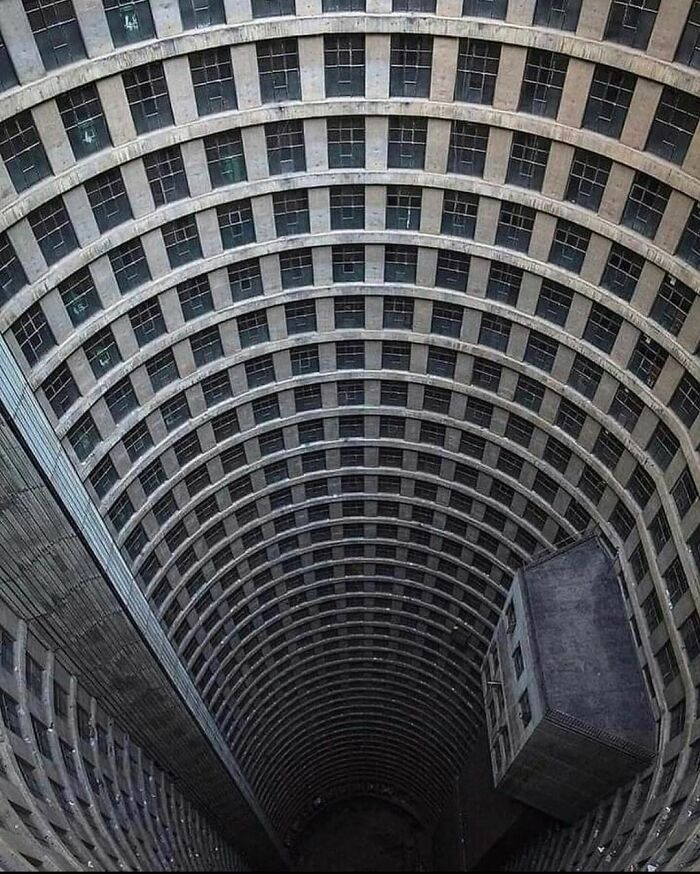
#6 Ponte City Apartments, Johannesburg, South Africa
© Photo: brutbuilds
Everything should look like what it’s intended to be. A residential building doesn’t need to be adorned with all sorts of decorations to make it look more like a palace or cathedral. Similarly, the method of construction is also clearly visible. Concrete walls, exposed brick, and beams. There is nothing hiding the functional parts of the construction. To take this a step further, glass is often used in large amounts to give those on the inside and outside the freedom to see. The style might seem ugly at times, though architects would argue that this is to avoid feelings of nostalgia, which, they believed, are worse.
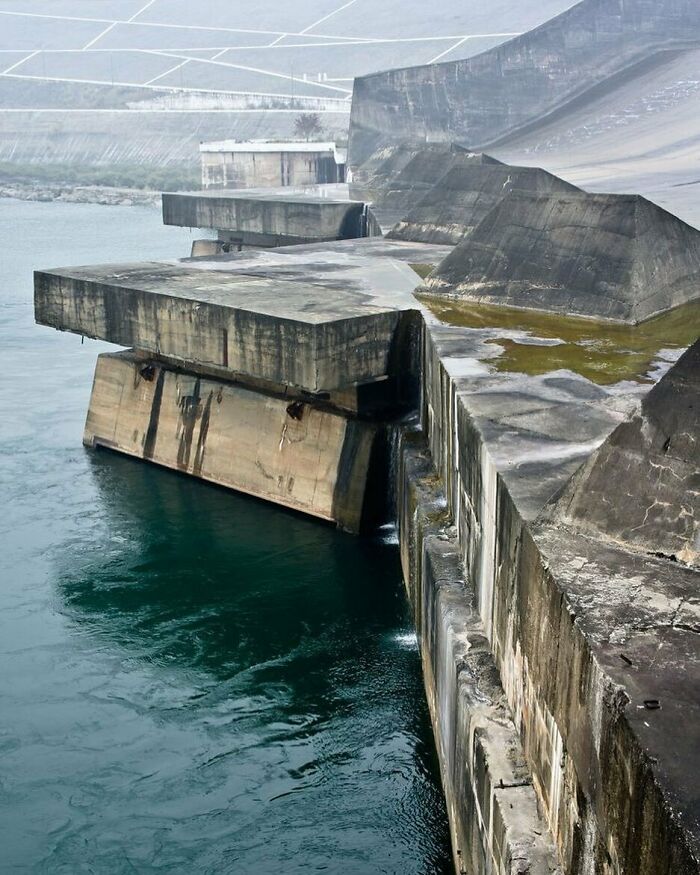
#7 Brutal Shore
© Photo: brutbuilds
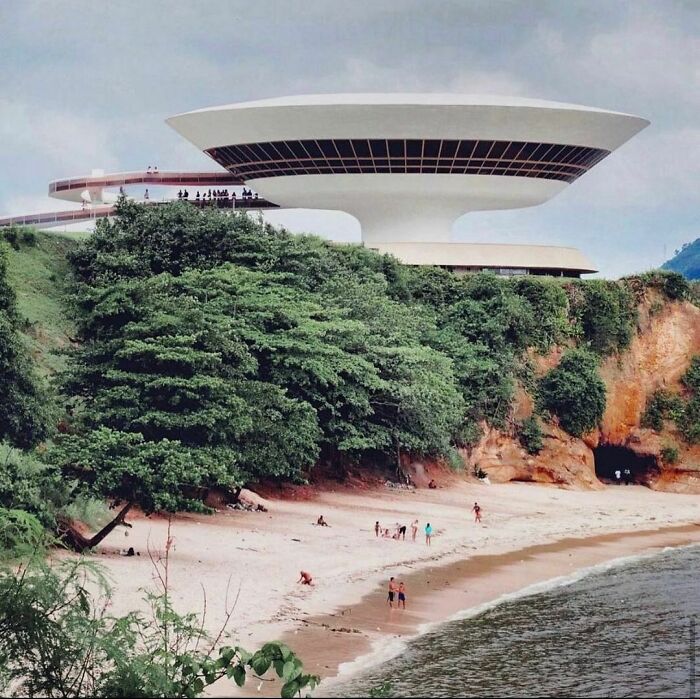
#8 Niterói Contemporary Art Museum
© Photo: brutbuilds
#9 Mcbrutal Please
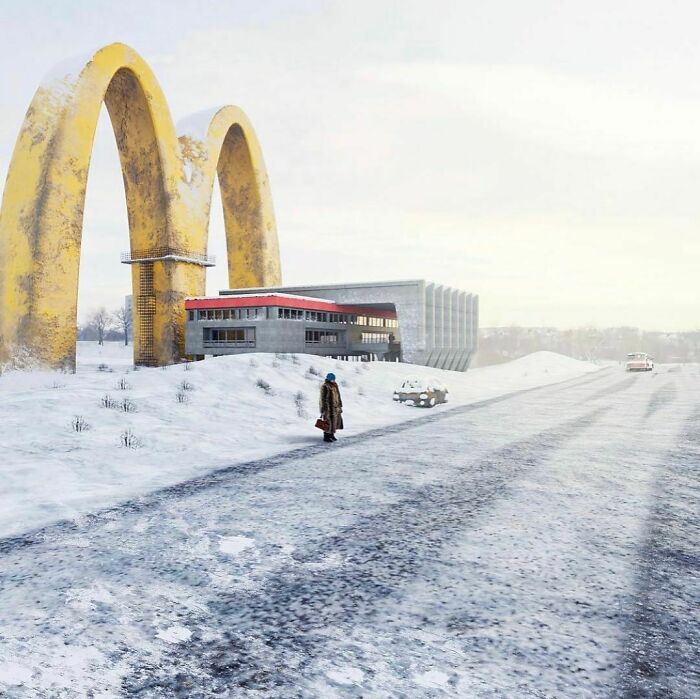
© Photo: brutbuilds
Often, the inner workings of a building are revealed. Pipes and conduits are on display and water tanks might be made visible to onlookers. This is in keeping with the theme of honesty. After all, most buildings and humans need running water and electricity to be functional, so why hide this obvious feature of existence? A lot of thought was given to interior space, at the visible cost of exterior decoration. The building’s function is to house those inside it, not be a street decoration for onlookers.
#10 London Aquatics Centre . . . 2014
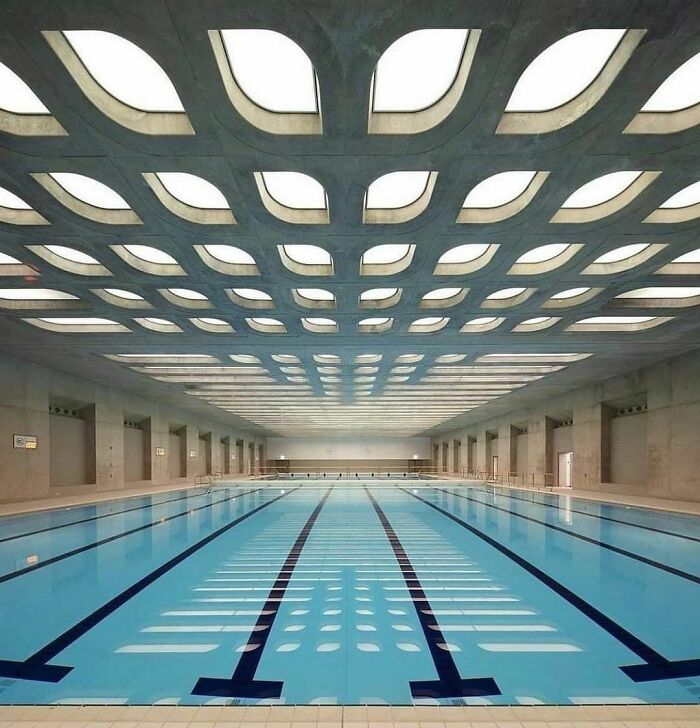
© Photo: brutbuilds
#11 Japan Brutalism
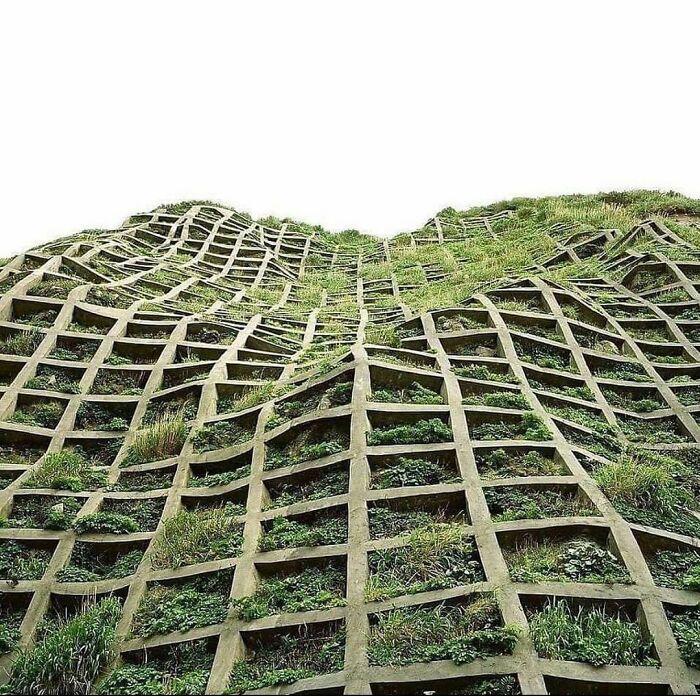
© Photo: brutbuilds
#12 Renaissance Center
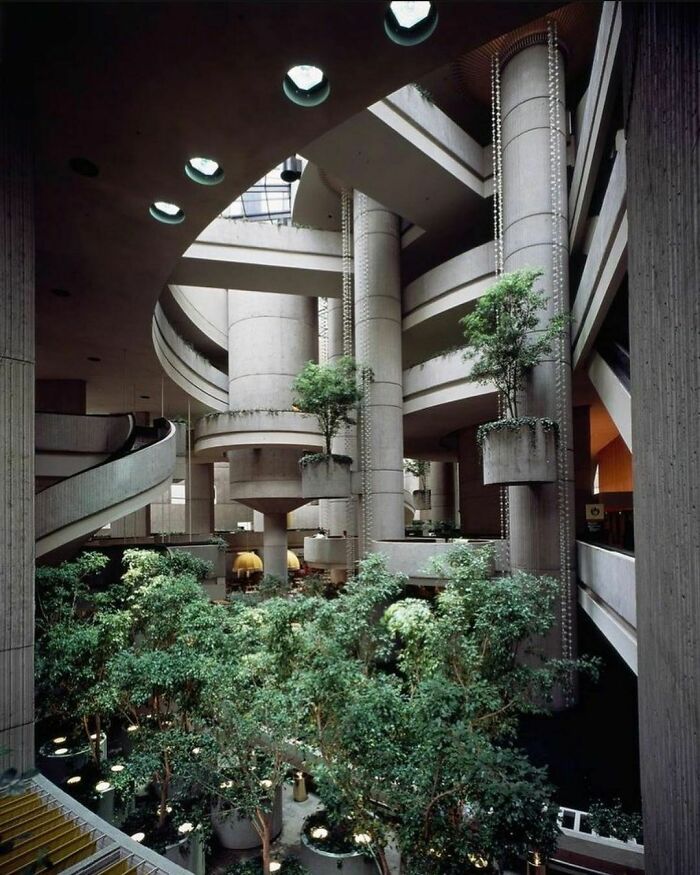
© Photo: brutbuilds
While these lofty ideals seem good in theory, often they break down, quite literally, in practice. Concrete has a tendency to chip and rot, leaving a number of residential buildings looking like abandoned bunkers from the second world war. The public is also often hostile to the style, as the Economist found in Britain. Often enough, when there is a campaign to demolish a building, the unit selected will be brutalist in style. People hate how the facade gets damp and overrun with moss and lichen. Steel beams suffer from rust and the style’s emphasis on uniformity makes alienates its residents.
#13 Edificio Fiesp, São Paulo, Brazil
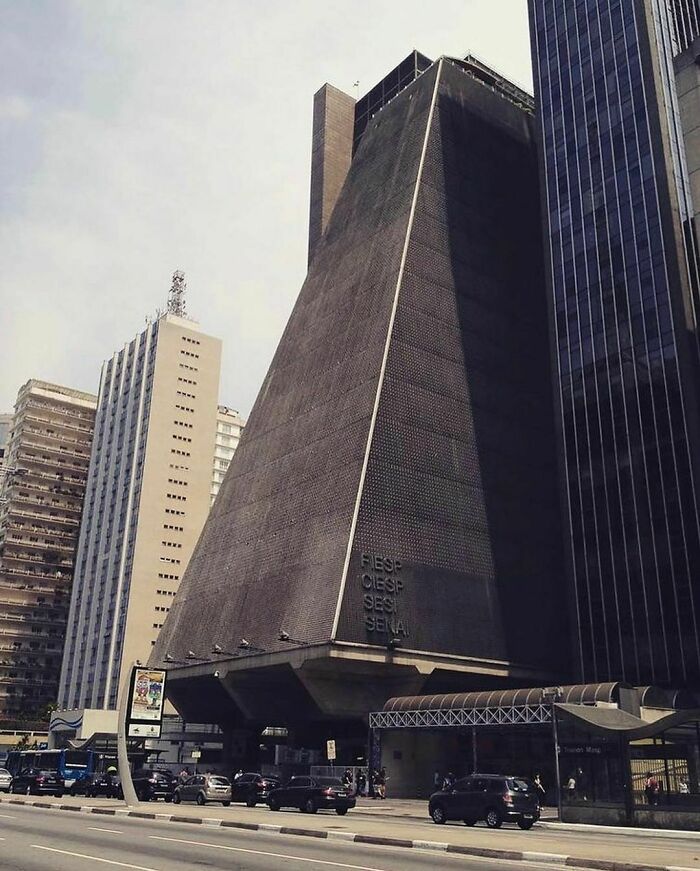
© Photo: brutbuilds
#14 Nakagin Capsule Tower . . Tokyo. . 1972
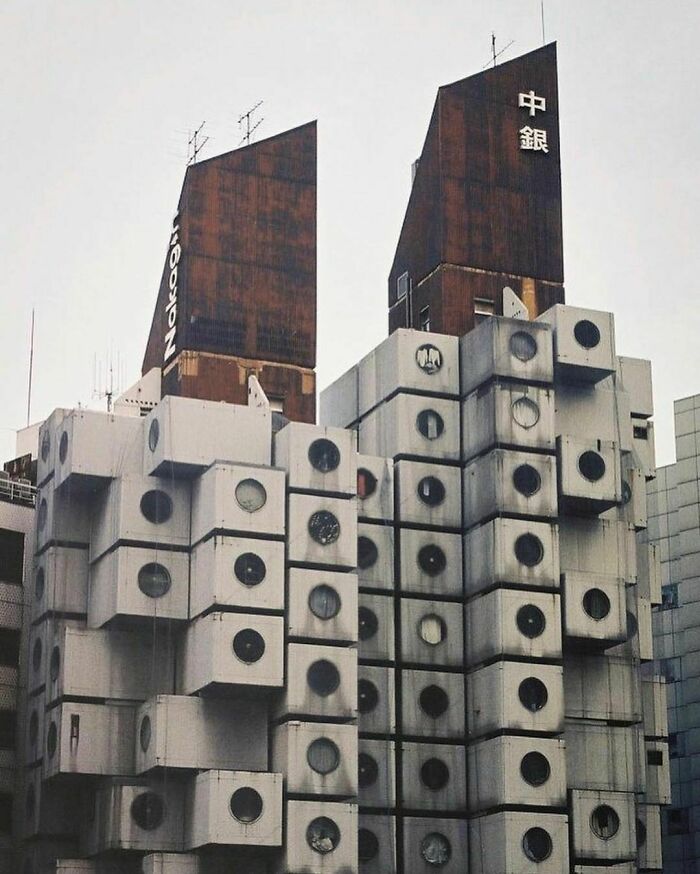
© Photo: brutbuilds
#15 Rusted Brutalism
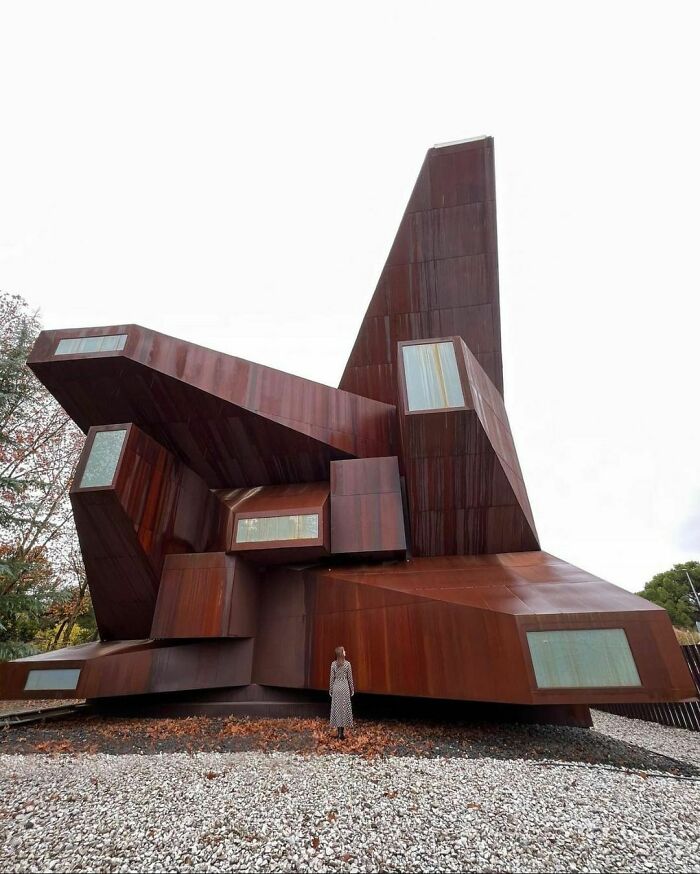
© Photo: brutbuilds
Their appearance also strikes many as heartless and monolithic. While they are functional by principle, sometimes humans feel isolated and restricted by uniformity. The choice of materials also leads to a lot of urban decay, necessitating constant preservation efforts. So some wonder if something can truly be called functional if it needs more upkeep than some 19th and 20th-century constructions.
#16 Amphitheater Museum
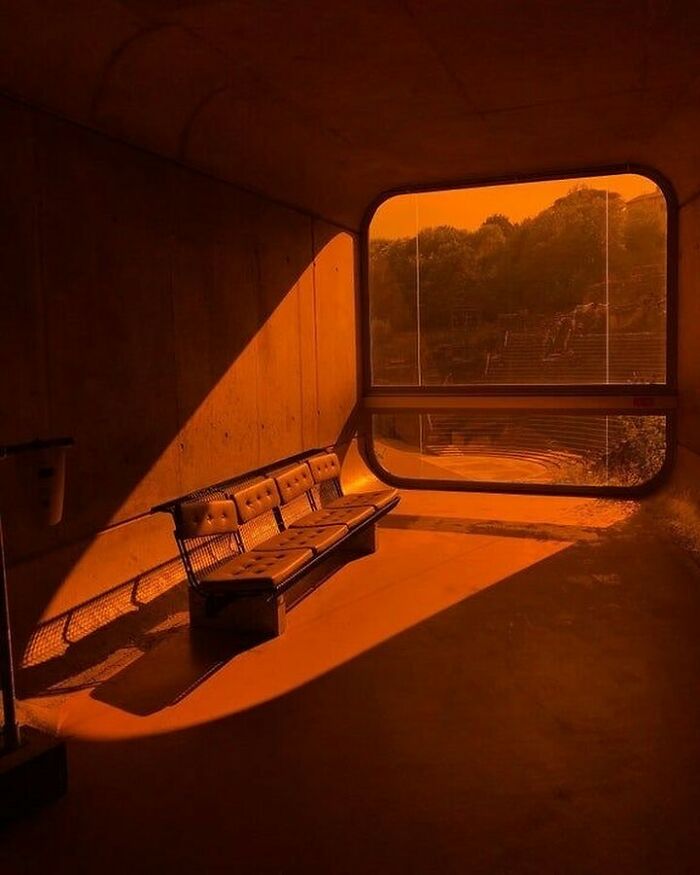
© Photo: brutbuilds
#17 Brutal Man
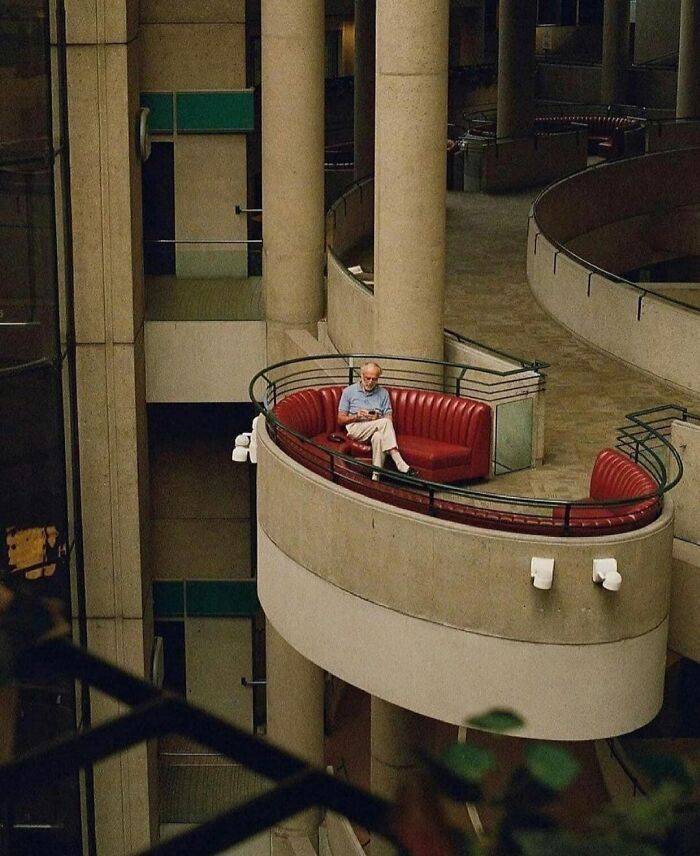
© Photo: brutbuilds
#18 Control Room
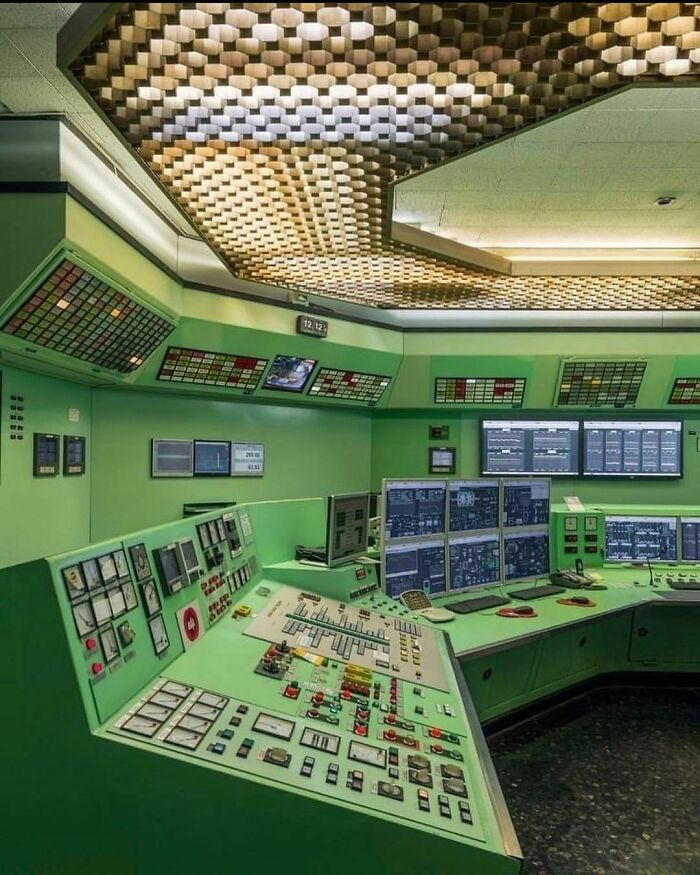
© Photo: brutbuilds
#19 Hyatt Regency, San Francisco
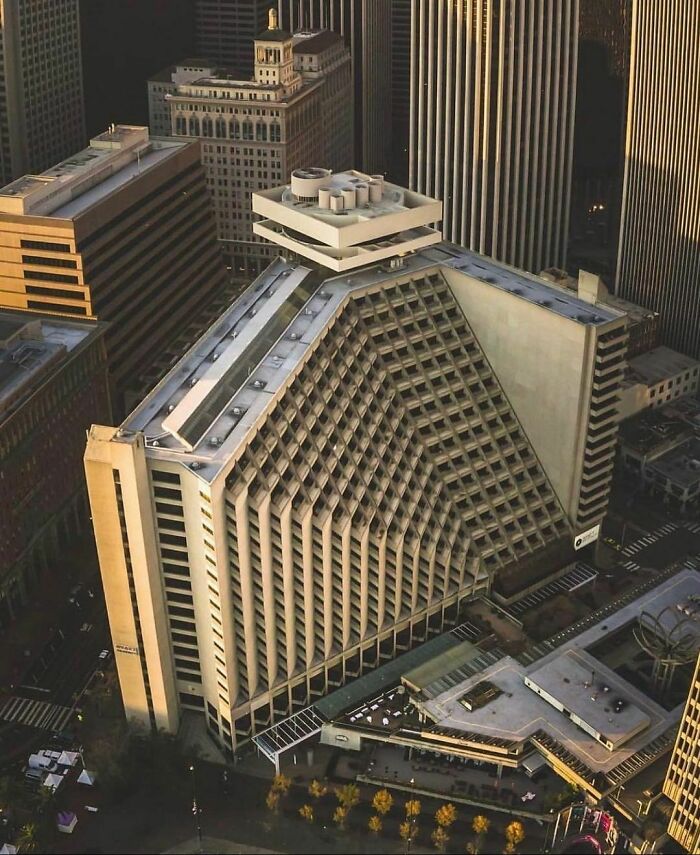
© Photo: brutbuilds
#20 Disney Contemporary Hotel
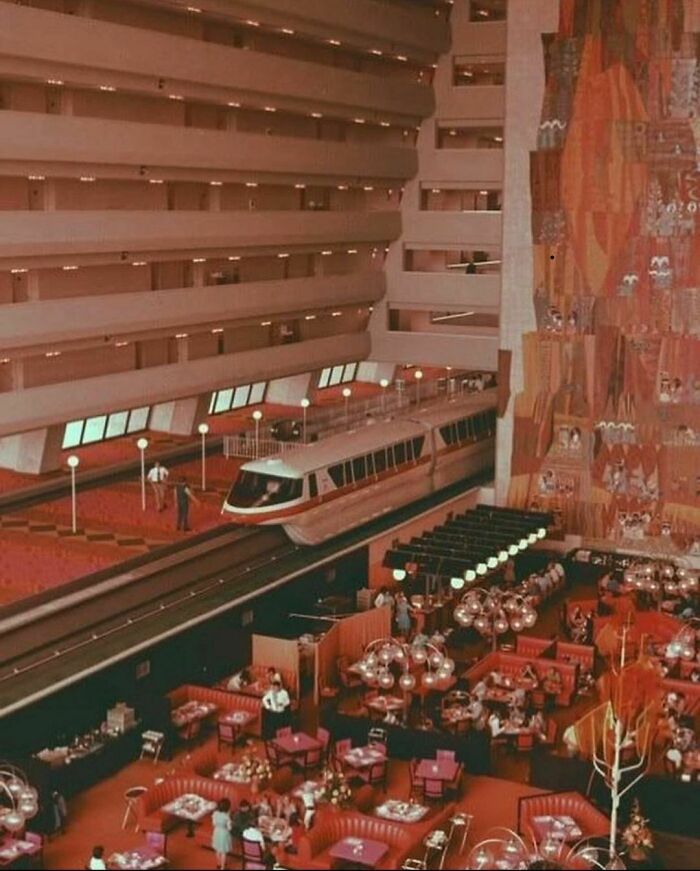
© Photo: brutbuilds
#21 Cbr Cement Company, Headquarters In Brussels
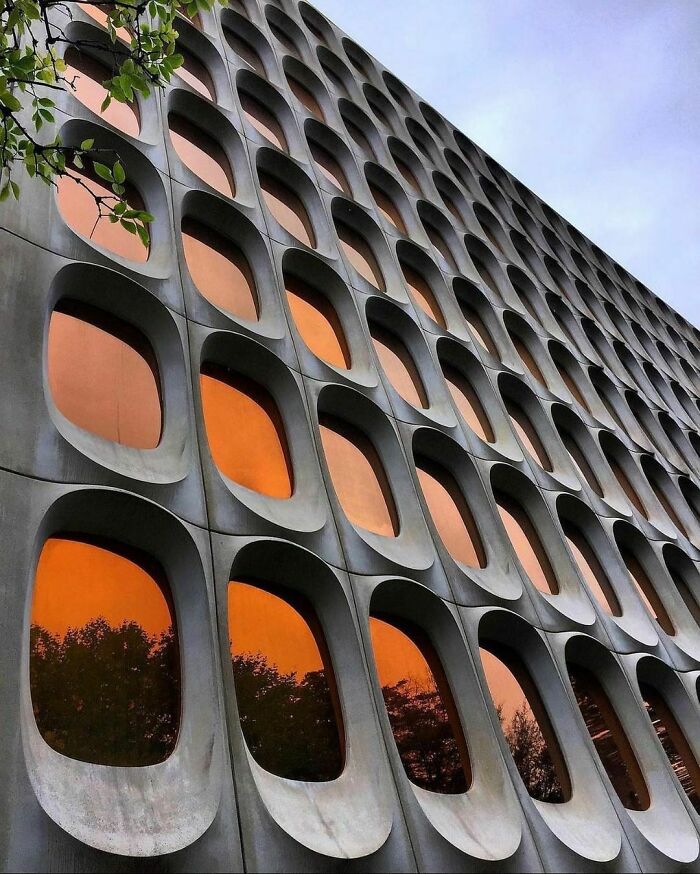
© Photo: brutbuilds
#22 Concrete Acoustic Sound Mirrors . . . 1920s
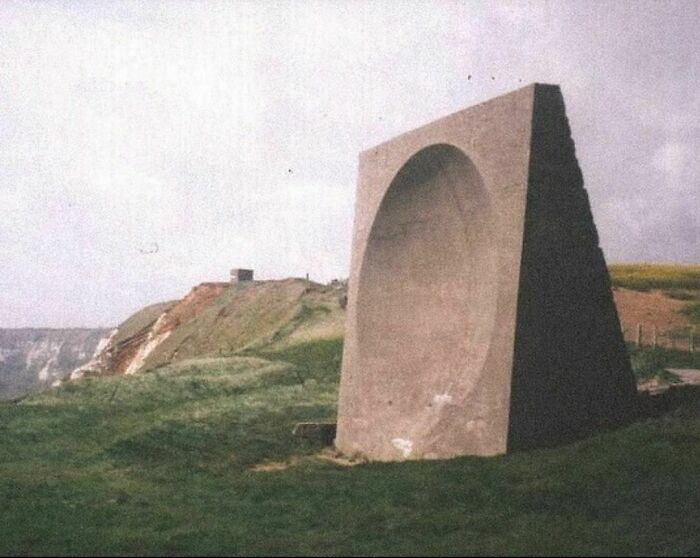
© Photo: brutbuilds
#23 UFO In Bulgaria

© Photo: brutbuilds
#24 1970 Lancia Stratos Zero Concept
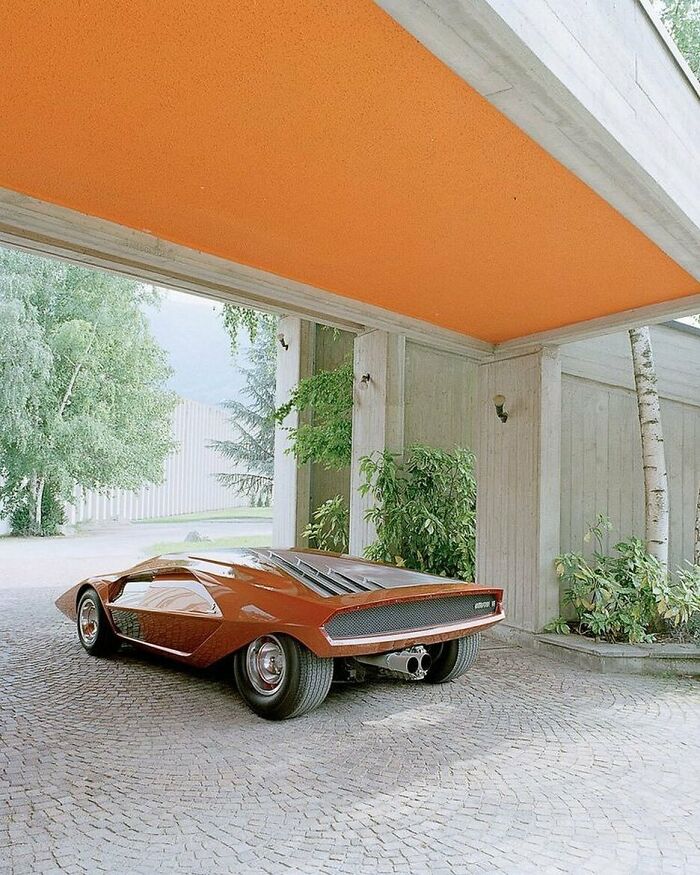
© Photo: brutbuilds
#25 Kyoto Conference Center
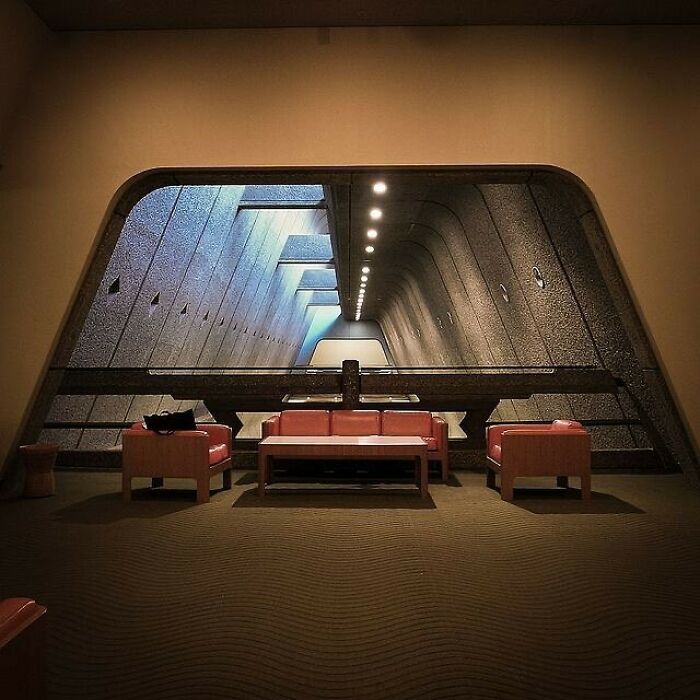
© Photo: brutbuilds
#26 Yellow | Brutal
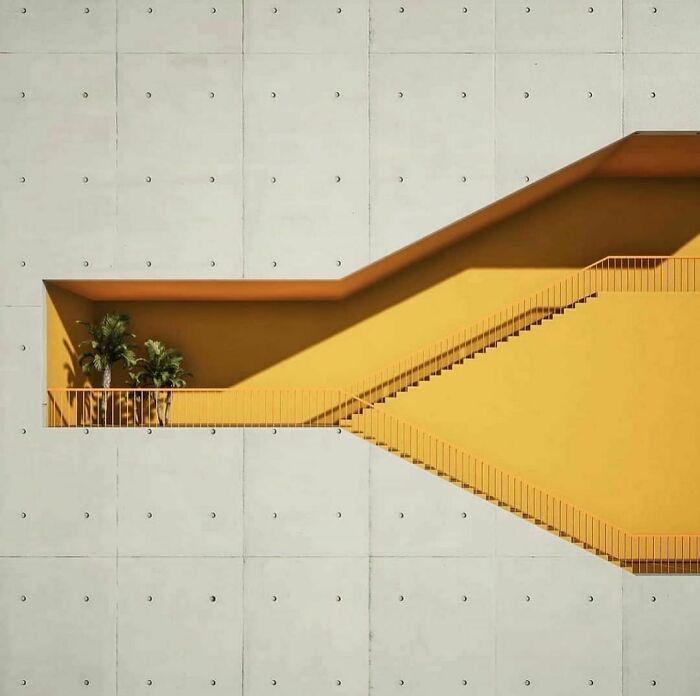
© Photo: brutbuilds
#27 Damsel In Distress. . . Wroclaw, Manhattan
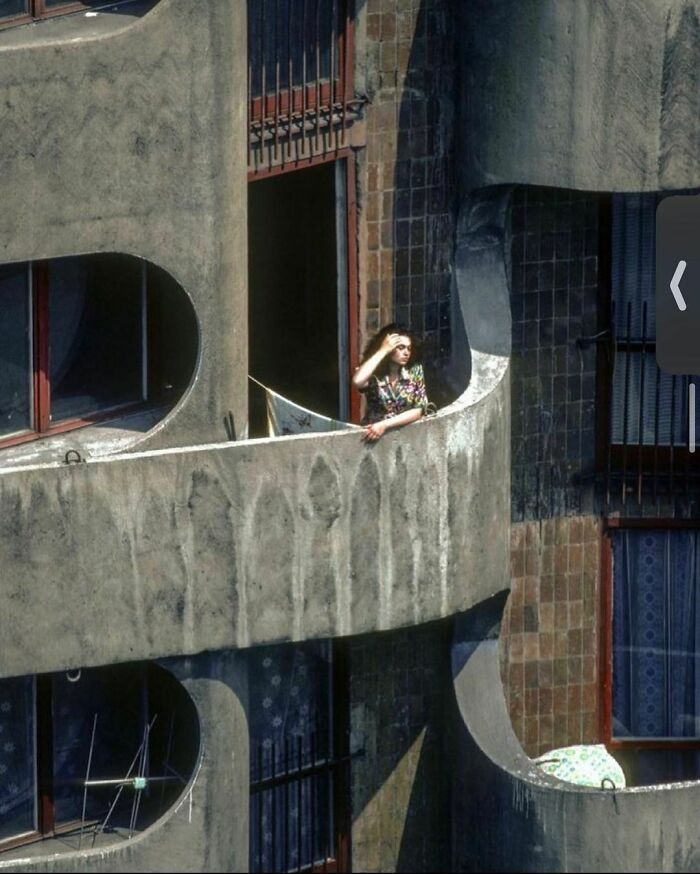
© Photo: brutbuilds
#28 Niterói Contemporary Art Museum, Oscar Niemeyer, 1996
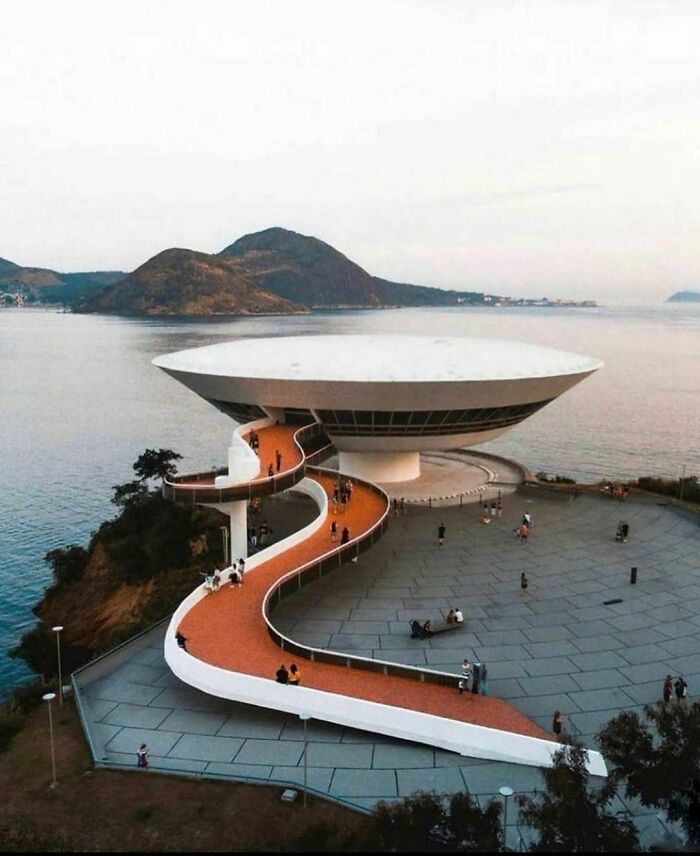
© Photo: brutbuilds
#29 World Waterpark. . . Edmonton, Alberta. . Canada
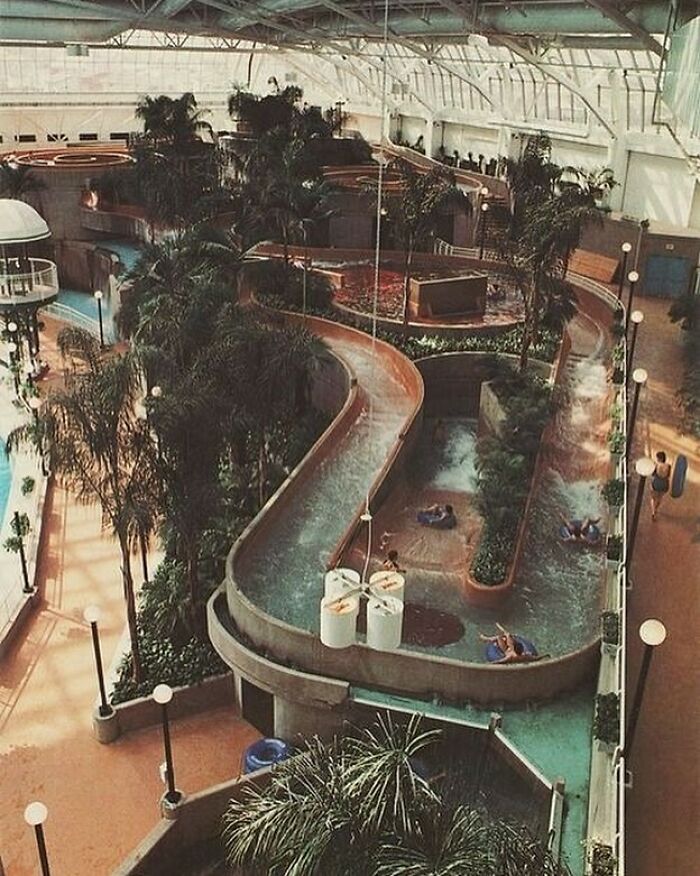
© Photo: brutbuilds
#30 1980 Trevior Fiore Citroen Karin

© Photo: brutbuilds
You might also like: 50 People Who Tried To Be Creative With Their Homes And Failed (New Pics)